Research Portfolio
My portfolio spans original scientific research and large-scale program leadership, across molecular biology, environmental policy tools, open-source software, and human-centered design. Across all of it, I bring the same approach: rigorous methods, cross-sector partnerships, and a commitment to work that outlasts any single grant or institution.
Plastic Pollution Policy2023 – present
Developed open-source policy tools and predictive models to support UN plastic treaty negotiations. Our research demonstrated that four coordinated policies could reduce mismanaged plastic waste by 91% and greenhouse gases by one-third by 2050.
Briefed global and national delegations throughout the negotiations, with results presented at the World Economic Forum and New York Climate Week and published in Science. We are now extending this work to California's SB 54, a landmark law that shifts responsibility for reducing single-use packaging waste onto producers.

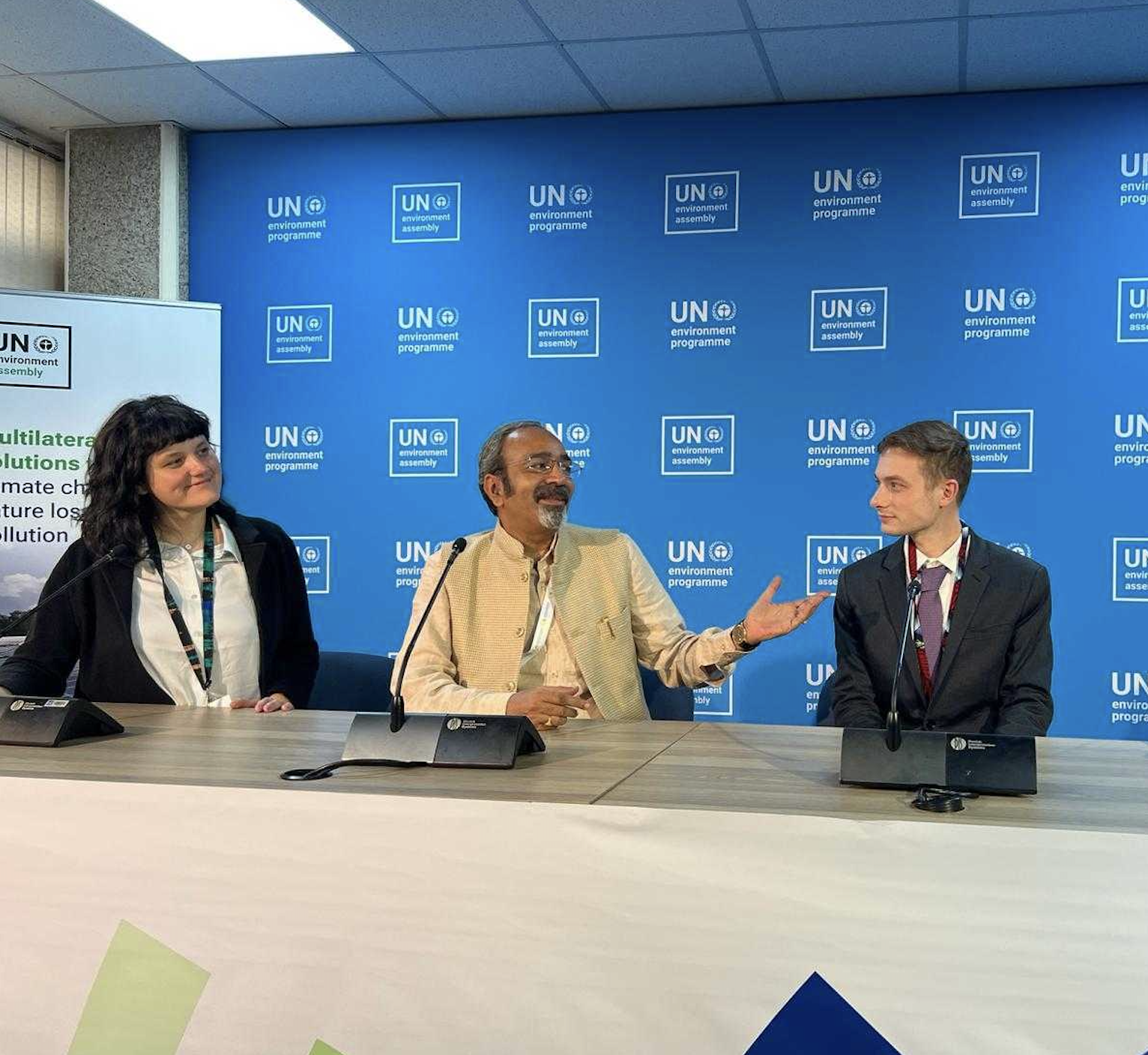
Pathways to reduce global plastic waste — Science, 2024
Using game design to inform a plastics treaty — arXiv, 2023
Biodiversity Monitoring2021 – present
The loss of biodiversity is one of the defining concerns of our time. I work to understand its patterns and how we can use novel technologies to monitor them and make decisions from what we find. Starting with eDNA and expanding to camera trap and bioacoustic data analysis, I have approached this work from an academic research perspective and in partnership with Indigenous and local communities, co-designing land management tools that integrate traditional ecological knowledge with modern data science.
My team focuses on building workflows that respect both the sensitivities surrounding biodiversity and the data privacy of communities, while holding to open science principles. With the California Wildlife Soundhub project, for example, we design governance strategies for the software and build the open infrastructure (see Jupyter Bioacoustic) that brings more flexibility and accessibility to bioacoustic analysis.
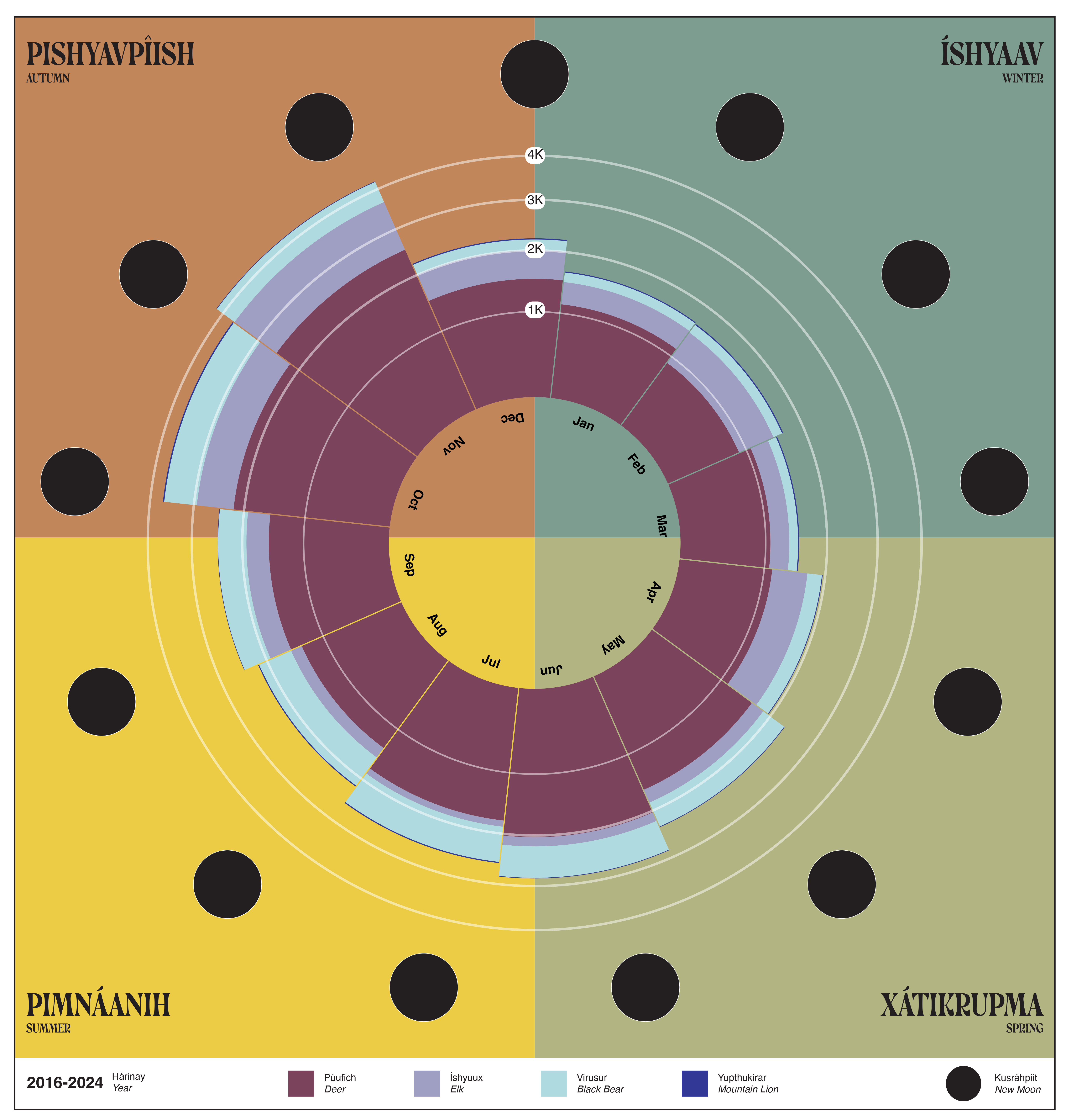
Indigenous knowledge and wildlife population estimates — Ecology & Evolution, 2025
Karuk Tribe · CDFW · Geospatial Informatics Facility
Tools for the Montreal Protocol and Kigali Amendment2023 – present
Built Kigali Sim in partnership with the United Nations, a free, open-source modeling tool that helps policymakers optimize investments in reducing hydrofluorocarbon (HFC) emissions under the Montreal Protocol, without requiring coding expertise.
Beta tested with over a dozen countries, NGOs, and agencies. Officially launched December 2025. Conservative estimates suggest the tool could help middle-income nations reduce overall greenhouse gas emissions by approximately 5% by 2040.
Kigali Sim: an open-source Montreal Protocol toolkit — Journal of Open Source Software, 2026
Kigali Sim — open source tool for exploring policy interventions to reduce greenhouse gases
Multilateral Fund · UN Environment Programme · User Countries
Open & Democratize Geospatial Data2024 – 2026
Co-launched GeoJupyter to make geospatial data analysis accessible through open-source tools integrated with Jupyter's collaborative infrastructure. I led user research (40+ hours of interviews), organized in-person and virtual hackathons, and ran workshops with scientists and programmers to drive adoption and shape the platform's design.
A Nature publication used JupyterGIS for global carbon storage analysis, validating the tool's research readiness.
JupyterGIS — open source geospatial extension for Jupyter
GeoJupyter and JupyterGIS: Exploring More Approachable Geospatial Data Workflows as an Open Source Software Community — AGU Fall Meeting, 2025
Jupyter Community · UC Berkeley DSE
Biological & Environmental Data Collections 2018 – present
A cross-cutting theme in my work is making biological and environmental data collections FAIR: findable, accessible, interoperable, and reusable. I collaborate with research teams, software engineers, UX designers, and natural history institutions to maximize the scientific value of these resources and to build the infrastructure and community practices that make them last.
Indigenous knowledge and community-derived wildlife population estimates — Ecology & Evolution, 2025
Habitat type and fire regimes in arthropod community response — Global Change Biology, 2024
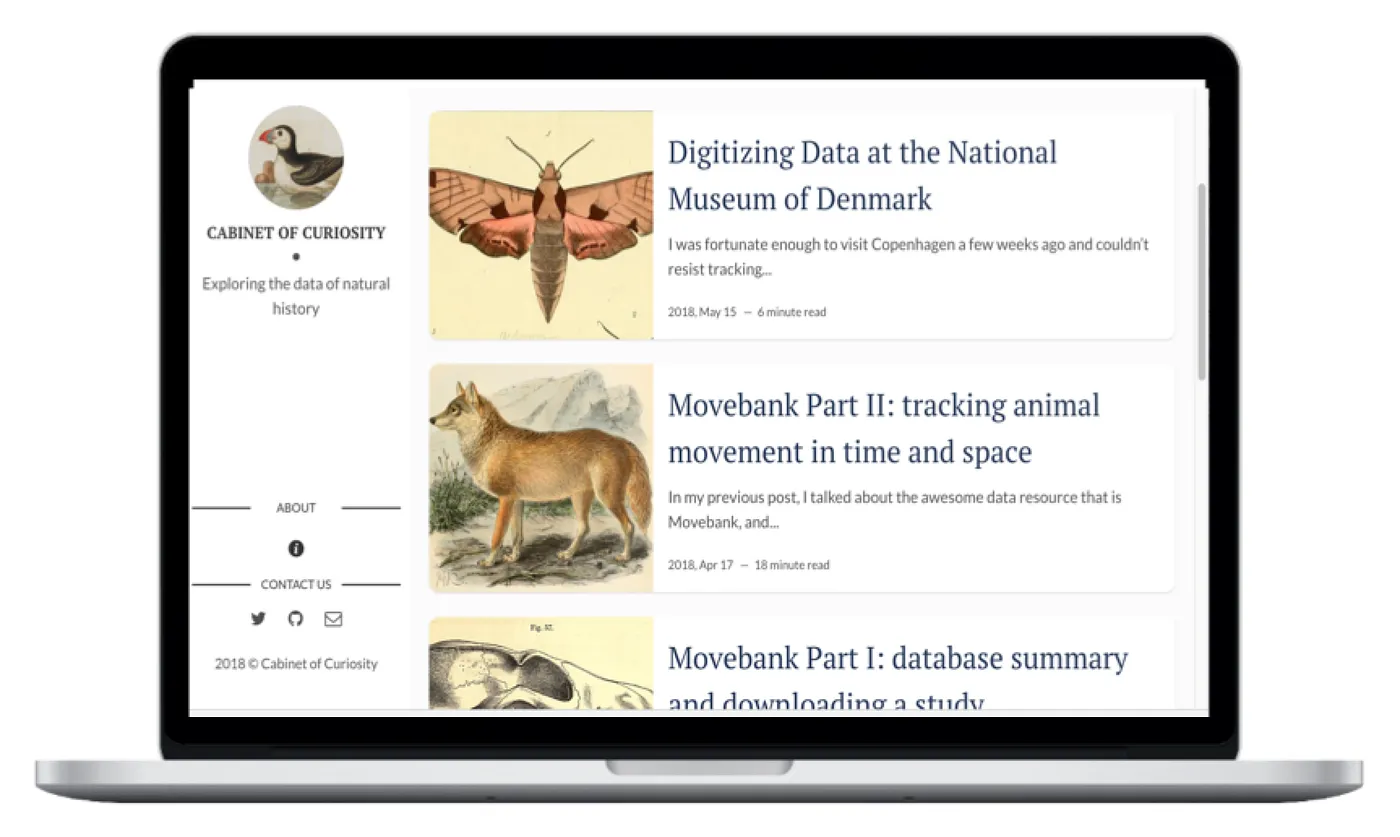
Cabinet of Curiosity: exploring natural history and biodiversity data — BIDS Blog, 2018
Data Science as a Practice 2017 – present
I study and shape how data science is practiced in academic research environments, developing standards for data management, reproducibility, and research ethics that teams can realistically adopt. I have co-authored peer-reviewed frameworks on data analysis workflows, led best-practices working groups at BIDS, and built training programs used across institutions. My goal is a research culture that is transparent, inclusive, and built to last.
Principles for data analysis workflows — PLOS Comp. Bio., 2021
Ten simple rules for clean scientific software — PLOS Comp. Bio., 2021
Kigali Sim — JOSS, 2026
How to make your scientific data accessible — Nature, 2023
Behind the Scenes of "The Future of Data Science" — Nightingale, 2022
11 Ways to Avert a Data-storage Disaster — Nature, 2019
Rule Rewrite Aims to Clean up Scientific Software — Nature, 2015
Genome Evolution 2013 – 2020
During my NSF Postdoctoral Fellowship in Michael Eisen's lab at UC Berkeley, I led comparative computational genomic studies to characterize evolutionary constraints on cis-regulatory elements, including promoters and enhancers, and their role in directing spatiotemporal gene expression. I developed novel histological protocols and engineered transgenic Drosophila imaging lines to enable 4D confocal microscopy, producing new tools now available to the broader research community.
Whole genome sequences of 23 Drosophila montium species — G3, 2020
A fungal pathogen that robustly manipulates Drosophila melanogaster — eLIFE, 2018
Watch These Flies Turn Into Zombies — National Geographic, 2018
Genetic Regulation of Plant Morphology 2007 – 2021
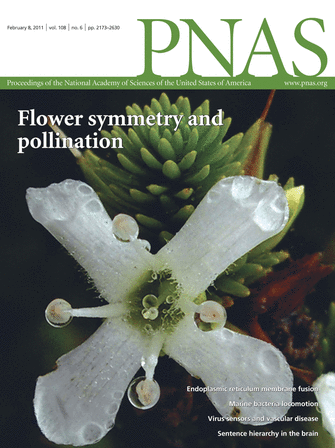
I have led research into the genetic and molecular mechanisms that control plant form, encompassing flower morphology, wood development, leaf architecture, and phyllotactic patterning. My approach integrates wet-lab molecular biology with high-throughput computational phenotyping, enabling quantitative analysis of developmental processes at scale.
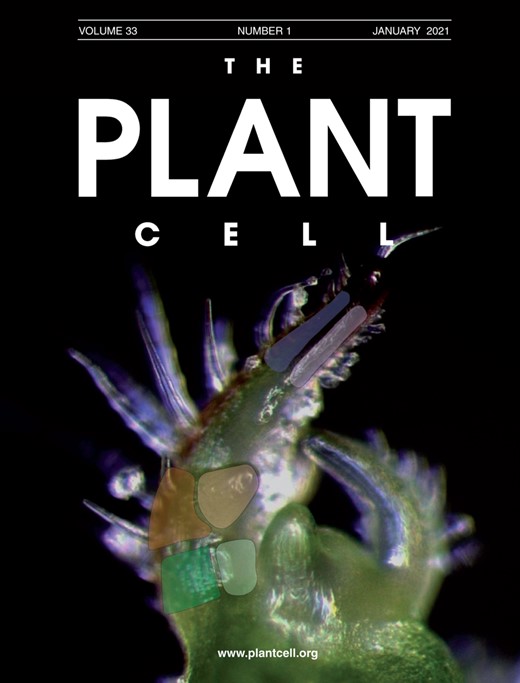
Spatial transcriptional signatures define margin morphogenesis in S. lycopersicum — Plant Cell, 2021
Left-right leaf asymmetry in decussate and distichous phyllotactic systems — Proc. Royal Society B, 2016
A Sister of PIN1 gene in tomato defines organ initiation patterns — Developmental Biology, 2016
Decoding the Secrets of Plants' Stunning Leaf Patterns — Smithsonian, 2019
Is Your Leaf Left Handed? — Science Daily, 2012